
Our Latest News


Whatsapp Privacy Alarm: Are Your Chats Safe On Apple Devices?
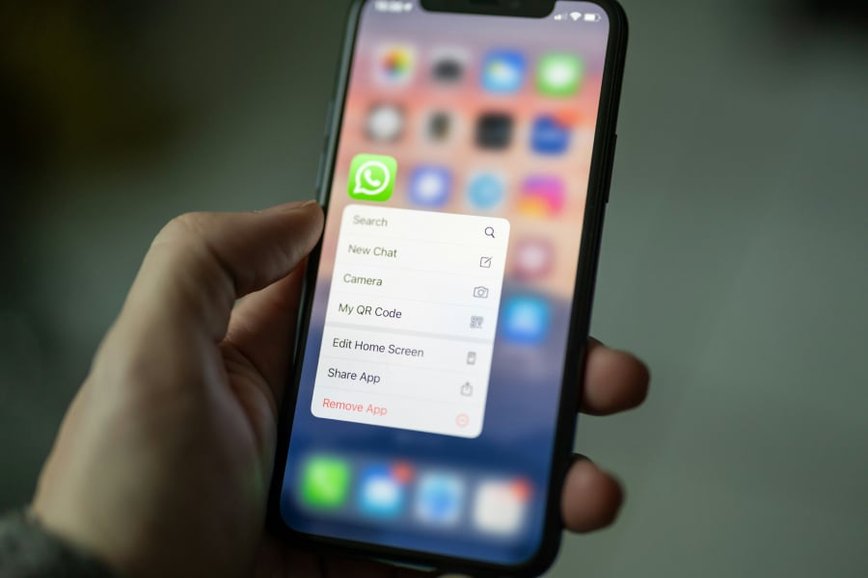
Concerns Over WhatsApp's Local Storage Practices
In an eye-opening claim, researchers have raised concerns about how WhatsApp stores decrypted chat data on Apple devices. While WhatsApp's end-to-end encryption ensures messages are secure during transit, the spotlight is now on what happens when those messages land on macOS and iOS devices.
The research team at Mysk has alleged that some decrypted chat data is stored in readable local database files on these devices. This revelation questions the level of protection WhatsApp offers once messages reach an Apple device. Could this be a sign of a larger issue with messaging apps? Encryption may secure message delivery, but what happens post-delivery is just as crucial.
“WhatsApp stores chat databases unencrypted in an app group container accessible to apps from the same developer,” the researchers said, according to Cyber Security News.
Experts Weigh In: Is the Threat Overstated?
Not everyone agrees with the researchers' findings. WABetaInfo has countered the broader claims by stating on X that these concerns are "misleading." They argue that while the database may not be encrypted on the device, it's stored in a secure container that only WhatsApp can access under normal system permissions.

Further pushing back, WABetaInfo clarified that other Meta apps like Facebook and Instagram cannot access the WhatsApp database. The shared container is meant to facilitate data migration between WhatsApp and WhatsApp Business, not cross-app data sharing.
However, the issue remains significant if an attacker gains elevated access or exploits a system flaw, such as the recently revealed macOS Archive Utility flaw, CVE-2026-28910.
Steps for Organizations: What to Do Next
For security-focused organizations, this issue transcends mere messaging app concerns. It becomes a matter of endpoint and mobile device management. Companies that permit WhatsApp on managed devices should implement stringent security measures like strong passcodes, biometric locks, and encrypted device backups.
Businesses handling sensitive information must evaluate whether WhatsApp's local storage model aligns with their security needs. The key takeaway is clear: while end-to-end encryption secures message transit, it doesn't ensure encrypted local storage.
As we continue to navigate this evolving digital landscape, understanding and addressing these potential vulnerabilities are crucial for safeguarding sensitive communications.

Author: Riley
Popular


Trending topics

Riley