Our Latest News


Eleonora Puglia'S Cinematic Leap: From Ballet To Bold Storytelling
From Ballet Slippers to Director's Chair
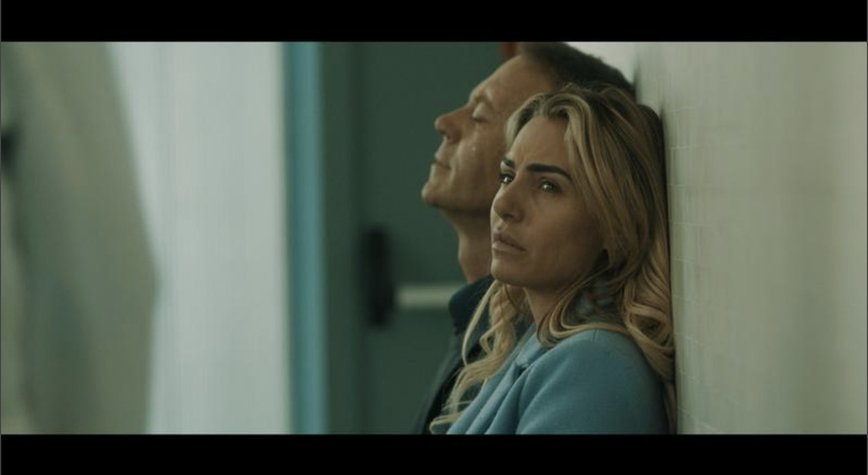
Eleonora Puglia, once known for her elegant moves in 'Swan Lake,' has taken a daring leap into the world of cinema. With her directorial debut in the feature film 'Blue,' Puglia steps into a new spotlight, exploring the often misunderstood world of online erotic platforms. Trained in the prestigious halls of the opera, Strasberg, and the New York Film Academy, she now brings her unique vision to the big screen. The film, just released in theaters, navigates the complex themes of sex, money, and social media, portraying a generation that blurs the lines between freedom and the illusion of it.
“It’s a picture of Italy, of the West. We are living through a deep cultural and social crisis, and these platforms are a mirror of what we have become,” shares Puglia, offering a poignant reflection on modern society.
Breaking Stereotypes in 'Blue'
'Blue' features a captivating cast, including the iconic Rocco Siffredi, who steps away from his well-known persona to take on his first dramatic, non-pornographic role as the protagonist’s father. Puglia’s choice to cast Siffredi was not just for shock value but a challenge to show a different side of the man known for his adult film career. "He plays a present, intelligent father, very different from the image everyone has of him," Puglia explains, highlighting her desire to showcase authenticity and depth.
The film doesn’t shy away from nudity, yet Puglia insists it is handled with elegance and sensitivity. "I think a certain daily ostentation is much more vulgar than nudity told with sensitivity," she remarks, aiming to redefine how these themes are portrayed in cinema.
Provoking Thought, Not Judgment
Eleonora Puglia’s film goes beyond just storytelling – it aims to provoke thought and discussion. She deliberately avoids moralizing, instead inviting viewers to question their own perceptions of empowerment and exploitation in the digital age. "In real life, though, everyone judges. And that’s exactly the problem. I didn’t want to make a moralistic film. I wanted the audience to question themselves," she asserts.
Her next potential project may delve into the Me Too movement, hinting at a perspective yet unexplored. Puglia's work represents more than just film; it’s a step towards true feminism in an industry still dominated by male voices. "True feminism still has a long way to go," she declares, advocating for more female voices in directing and storytelling.
Categories:

Author: Daiana
Popular


Trending topics