
Our Latest News


Lights, Camera, Onlyfans: How Tv'S Latest Trend Is Sparking Real Conversations
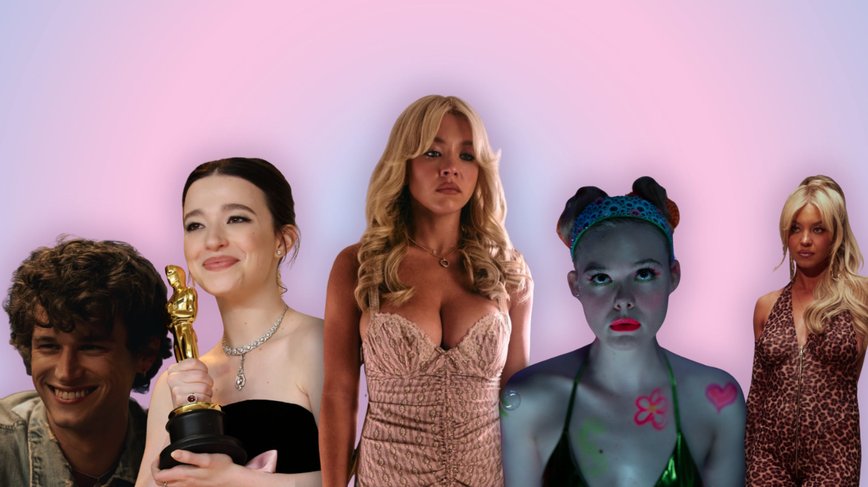
A Peek Into Pop Culture's New Obsession
Updated July 1, 2026, 9:12 a.m. ET – It's no secret that sex work has found its spotlight in the realm of pop culture, and it's not shying away anytime soon. With Apple TV's "Margo's Got Money Troubles" and "Maximum Pleasure Guaranteed" capturing viewers’ attention, and HBO's "Euphoria" thrusting OnlyFans into the narrative, the conversation is hotter than ever. But what do those actually living the life think?
Sex workers are experiencing a moment in the pop culture sun, but not all are feeling the glow. The tales told on screen often diverge from reality, leaving a chasm between perception and truth. The 2025 Oscars highlighted these stories with "Anora" taking home five awards, but does the glamour overshadow the grit?
“Women are taking control and building brands, making a ton of money, gaining followers, and supporting their families," said "Boy Meets World" actress and OnlyFans creator Maitland Ward. "I don’t think it’s given the credit that it deserves.”
The Hard Truth Behind the Glamour
While the allure of a quick buck lures many to platforms like OnlyFans, the reality is far from a Hollywood fantasy. As Maitland Ward points out, "You could just come on OnlyFans and be millionaires overnight" is a myth. The platform demands dedication, from choreographed content creation to the nitty-gritty administration of running a personal brand.
Celebrities like Cardi B and even Beyoncé have dipped their toes into the OnlyFans pool, sparking further curiosity and misconceptions about the ease of success. Yet, most creators find themselves navigating the complexities of this digital gig economy, often battling societal stigma and financial challenges.
Realities and Representations: A Call for Authenticity
Sex workers like Elizabeth Romanova and Marla Cruz are vocal about the need for authentic portrayals. Romanova emphasizes that while TV needs drama, it often leaves out the mundane realities of sex work. "They don't see that there are different types of sex workers," she says, highlighting the disconnect between fiction and life.
Marla Cruz's experience with "Anora" underscores this gap. The film's gaze, she argues, doesn’t capture the worker's perspective, leading to further stigmatization. "We have normal lives," Romanova reiterates, as she describes her everyday routine outside of work.
Opening the Door to Dialogue
Despite the inaccuracies, shows like "Euphoria" are sparking conversations that were once taboo. Maitland Ward notes that this visibility offers a platform for education and understanding. "(Sex work) doesn't have to be perfect. It's not all good, but it's not all bad," she says. The dialogue these shows encourage could lead to a more nuanced understanding of sex work's reality and the women who navigate it daily.
Categories:

Author: Daiana
Popular


Trending topics