
Our Latest News


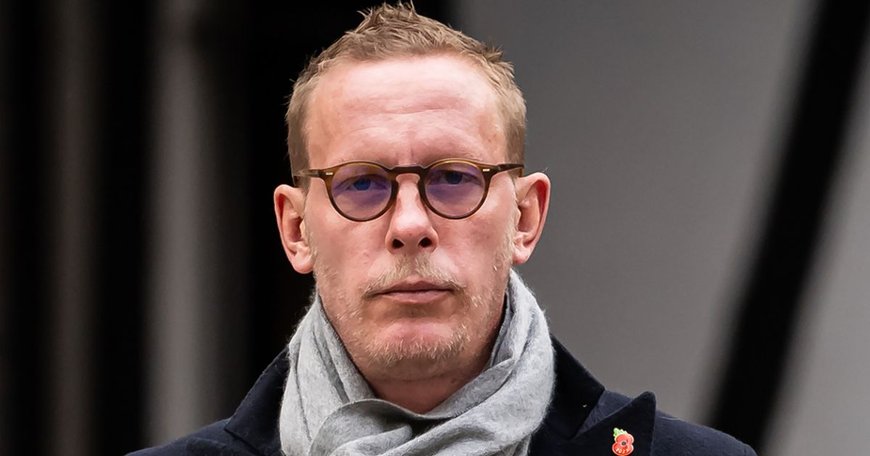
Laurence Fox'S Tweets Deemed "Contemptuous" In High-Profile Libel Battle

The Court's Verdict on Fox's Tweets
Laurence Fox is no stranger to controversy, and his recent tweets targeting TV personality Narinder Kaur have landed him in hot water with the High Court. The court has ruled these posts as "contemptuous" attacks, directly challenging Kaur's "integrity, sincerity, and reliability." This legal face-off emerges from Kaur's libel claim against Fox.
At the center of the drama, the court evaluated whether Fox's posts were defamatory by analyzing their natural and ordinary meaning. Justice Linden, presiding over the case, pointed out that Fox's tweets accused Kaur of presenting a misleading image through her OnlyFans account, supposedly full of cooking videos, branding this as a "clear attack" on her character.
“Fox's claims cross the threshold of seriousness, likely affecting how people perceive Kaur,” Justice Linden commented in his ruling.
Allegations Beyond Social Media
The courtroom revelations didn’t stop at tweets. Fox's remarks on the "Fox & Father" podcast were also under scrutiny. He insinuated that Kaur had sought publicity through staged paparazzi photos and had deleted her OnlyFans account to hide the truth. Justice Linden concluded that these statements attacked Kaur's integrity and accused her of deception.
Fox's allegations painted Kaur as an "attention seeker," and insinuated she was willing to compromise her dignity for publicity. The judge deemed these claims "contemptuous," stating they seriously damaged Kaur's reputation.
Further Developments in the Libel Case
The saga doesn't end here. Fox is set to face trial next year over accusations of sharing an explicit image of Kaur on X, allegedly intending to cause her distress. Fox, however, denies these charges.
The libel claim, with all its accusations and counterclaims, is far from over, promising to keep both parties in the legal spotlight. As Fox continues to face legal battles, the case raises important questions about the boundaries of free expression in the digital age.
Categories:

Author: Daiana
Popular


Trending topics