
Our Latest News


Bonnie Blue'S Pregnancy Stunt Sparks Outrage: The Limits Of Online Shock Value

Bonnie Blue's Controversial Announcement
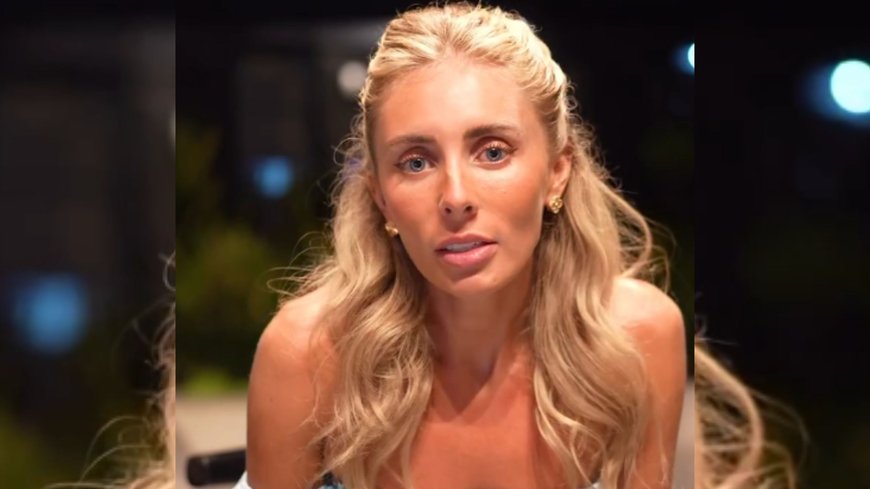
Bonnie Blue, the provocative OnlyFans creator, has once again set the internet ablaze. Known by her real name, Tia Billinger, the 27-year-old British performer announced a pregnancy after a shocking stunt that involved unprotected encounters with around 400 men at a lavish London mansion. This jaw-dropping revelation has sparked a heated debate about the ethical boundaries of online monetization, with many demanding a crackdown on such exploitative practices.
"This isn't just about Bonnie Blue; it's about the unchecked power of the digital creator economy," said a youth advocate from Nairobi.
The announcement, which came in late February 2026, has exposed the darker side of content creation, where biological reproduction becomes a tool for engagement. Blue's audacious move is not just a personal affair but a public spectacle, as she plans to commercialize the birth through subscription platforms and sensational events. This has led to a global outcry from lawmakers and advocacy groups, all questioning how to protect the unborn from becoming subjects of viral content.
The Mechanics of a Viral Spectacle
Meticulously crafted for maximum shock and revenue, Blue's stunt was a masterclass in the art of scandal. Her rise to notoriety began in January 2025 with another headline-grabbing event involving over a thousand men. Recognizing the financial allure of outrage, her latest venture has pushed societal taboos around maternity to their limits.
Participants in the event were subjected to rigorous entry protocols, including legal waivers and DNA swabs, ensuring that the identity of the eventual father becomes part of the narrative. This morbid lottery system is designed to keep audiences hooked, generating months of serialized content online. Blue's bold announcement via a trending YouTube video only fueled the backlash, as she defiantly plans an explicit "golden baby shower," blurring the lines between motherhood and adult entertainment.
Generational Pushback and Cultural Shifts
While traditional media and conservative voices call for intervention, the response from the digital-savvy Gen Z has been notably different. Rather than outrage, there's a growing sense of disdain and fatigue towards such extreme content. Sociologists observing these trends note a cultural shift, with younger audiences increasingly rejecting the spectacle of the creator economy in favor of genuine experiences.
This shift in consumer behavior poses a greater threat to Blue's financial empire than government censorship ever could. As the allure of shock diminishes, so does the relevance and earning potential of such stunts. The youth's preference for authenticity signals a potential collapse of the economic model that sustains creators like Blue.

Global Implications and the Regulatory Void
The ethical dilemma surrounding Bonnie Blue's case is not isolated to the Western world. In countries like Kenya and Uganda, regulators grapple with the moral challenges posed by young influencers pushing boundaries for monetization. The financial incentives that led Blue to earn an estimated £1 million from previous stunts underscore the dangerous allure of shock content.
Current legislation fails to adequately address these concerns, particularly when it comes to the commercialization of unborn children. Legal experts are now debating the scope of social services' authority in intervening before a child is born into a monetized spectacle. As Blue's pregnancy progresses, the tension between digital commerce, parental responsibility, and public morality intensifies.
In this unprecedented digital age, where attention is the ultimate currency, society is being forced to confront what people are willing to sacrifice for fame and fortune. The ultimate victim remains the unborn child, caught in the crossfire of a digital circus they never chose to be part of.
Categories:

Author: Chase
Popular


Trending topics

Chase