Our Latest News


Portland Protester Sentenced: A Rock, A Riot, And 30 Months Behind Bars
Sentencing of Portland Protester
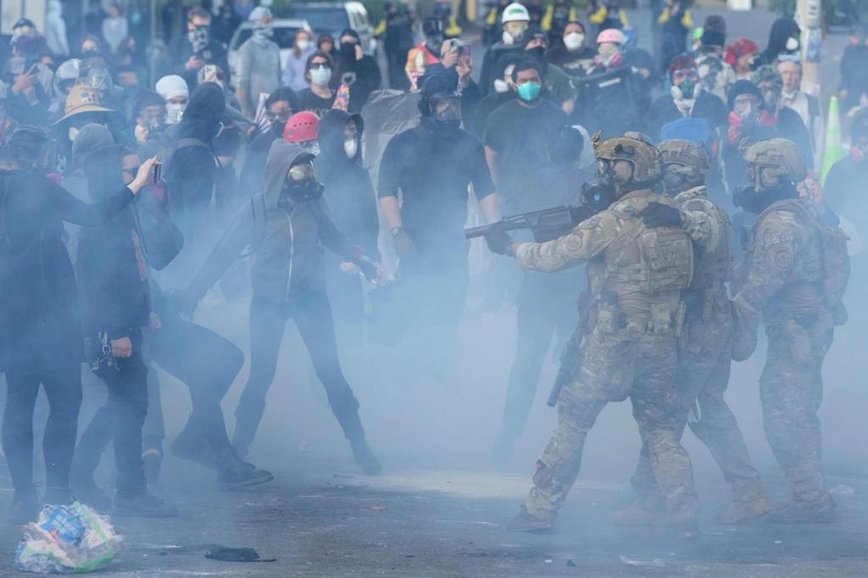
In the latest chapter of the ongoing saga surrounding protests at the U.S. Immigration and Customs Enforcement (ICE) building in Portland, Oregon, Robert Jacob Hoopes has been sentenced to 30 months in prison. The sentence comes after Hoopes pleaded guilty to assaulting a federal officer with a dangerous weapon. The incident in question occurred last June, when Hoopes threw a rock that struck the officer, leaving him with a gash over his eye.
Legal Consequences and Community Reactions
U.S. District Judge Adrienne Nelson handed down the sentence, which includes three years of supervised release and over $8,000 in restitution. The decision aligns with the U.S. Justice Department’s broader efforts to prosecute those involved in violent acts during protests against former President Donald Trump’s immigration policies. As U.S. Attorney Scott Bradford stated, “Today’s message is clear – violence is not a protest.” Despite repeated attempts to reach out, Hoopes’s attorney, Matthew McHenry, has not provided any comments.
“Today’s message is clear – violence is not a protest.”
Portland's Protest Scene
The Portland ICE building has been a hot spot for protests since last June, drawing demonstrators from all walks of life. The protests began as a response to the government's aggressive deportation practices and have included nightly demonstrations and clashes with law enforcement. Federal authorities have often used chemical munitions in efforts to disperse the crowds. The city has become emblematic of a broader national debate on immigration, law enforcement, and protesters’ rights.
Other Cases and Legal Outcomes
While Hoopes's case is significant, he is not the first protester to face prison time. Trenten Edward Barker, another protester, was sentenced to 18 months in March for arson after throwing a lit flare onto debris against the ICE building gate. Other cases have seen various outcomes – some dismissed, others ending in mistrials or appeals. The legal landscape remains complex and contentious, reflecting the ongoing tensions between protesters and federal authorities.
Categories:

Author: Chase
Popular


Trending topics

Chase