
Our Latest News


Onlyfans Star Kamryn Renae'S Dramatic Rescue From Mount Whitney
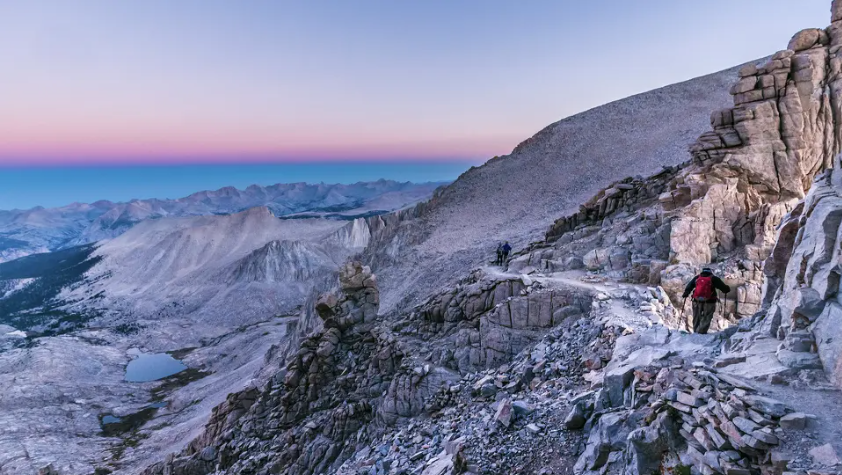
The Adventure Turns Perilous
Kamryn Renae, the 22-year-old OnlyFans model who has captivated thousands with her adventurous spirit and vibrant personality, embarked on an ambitious journey along the Pacific Crest Trail. Starting her trek on March 26, she aimed to conquer the 2,600-mile path stretching from Mexico to Canada. Documenting every step with eye-catching social media posts, she soon amassed a throng of new followers eager to join her on the wild ride.
Inspired by a psychedelic revelation in Brazil and the film “Wild” starring Reese Witherspoon, she took to the trails with a pink ice axe in hand, ready to tackle the majestic peaks. However, as she neared Mount Whitney's formidable summit at 14,505 feet, things took a turn for the worse.
“It was just so, so beautiful,” Renae shared in a video. “Like, while I was hiking up to the mountains, I was like, ‘Oh my god, this may be the best day of my life,’ because it was just so gorgeous.”
Unexpected Challenges
As Renae ascended Mount Whitney, she began to feel increasingly unwell. At 13,000 feet, she set up her tent, hoping to recover from what she initially thought was altitude sickness. Instead, her condition deteriorated, leaving her no choice but to call for SOS assistance. Despite the freezing temperatures and the isolation, Renae bravely documented her ordeal, though rescue efforts were not immediate.
On the morning of May 20, a group of hikers, including Dan Lougee, a 25-year-old adventurer from New Hampshire, stumbled upon Renae. They formed a protective line to guide her down the treacherous snowfields, but the situation remained tense and "sketchy," as Lougee described it.
Rescue and Reflection
As they reached Guitar Lake, Renae's condition worsened, prompting a helicopter rescue. Her illness was not due to altitude but rather contaminated water from the trail. "I ended up just getting sick from a water source, so yeah, just really bad timing, honestly," she later explained in a video post.
This incident has sparked a broader conversation about the risks faced by hikers on Mount Whitney. Experts emphasize the importance of preparation and awareness of both altitude sickness and water contamination. Despite the criticism she faced, Renae's experience serves as a cautionary tale for many aspiring adventurers.
"Hikers must be ready both physically and with appropriate equipment for rapidly changing alpine conditions," noted Holly Streit from the National Park Service, underscoring the need for awareness and proper gear.
Renae's daring adventure and subsequent rescue highlight the unpredictable nature of high-altitude hiking, reminding us all of the beauty and peril intertwined in such journeys.
Categories:

Author: Riley
Popular


Trending topics

Riley