
Our Latest News


Inside The Dark World Of Onlyfans: Unveiling The Exploitation Behind The Scenes
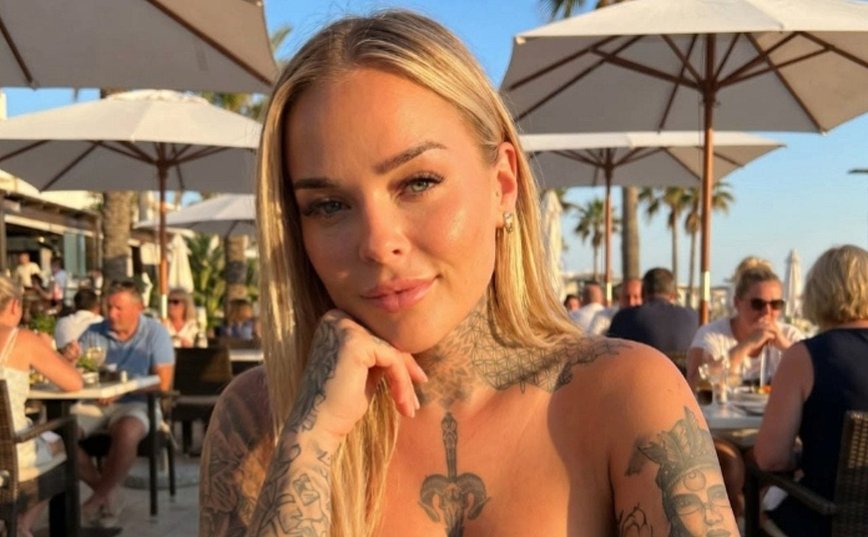
Unmasking the Dark Side of OnlyFans Management
Step into the shadowy world of OnlyFans management, where promises of fortune often mask a darker reality. Rebecca, a content creator from south Wales, opened up about her harrowing experience with an agency that initially seemed like a dream come true. Promising to boost her earnings on this popular adult content platform, the agency quickly turned controlling and abusive.
Rebecca recounts how the charming facade faded as her managers began insulting her appearance and restricting her social life. "They were adorable at first," she recalls, only for things to take a sinister turn. Worried about losing control of her account, she changed her login details, prompting a torrent of threats against her and her family.
"I will destroy you and your daughter," read one chilling message shown to the BBC.
The Threatening Tactics of OFMs
Rebecca's story is just one of many explosive accounts revealing the tactics of OnlyFans Managers (OFMs). Under the guise of helping creators, these managers often resort to intimidation and deceit. The BBC's investigation uncovered a pattern of exploitation, with agents recruiting creators, seizing control of their accounts, and enforcing unfair contracts.
Exploring deeper, the BBC infiltrated a large Telegram group called OFM Empire, where 24,000 members openly shared strategies to manipulate content creators. They even referred to their predatory methods as the "pimp method," with some managers going as far as changing creators' bank details to siphon off earnings.
OnlyFans' Response and the Call for Change
Despite being aware of these issues for years, OnlyFans faces criticism from legal and human rights experts for not doing enough to shield creators from exploitation. Eleanor Lyons, the UK’s independent commissioner against modern slavery, emphasizes the need for government intervention.
The company, however, asserts its commitment to user safety, claiming to invest heavily in protective measures. While OnlyFans distances itself from third-party managers, creators like Rebecca continue to suffer the consequences of this unregulated ecosystem.
With over 4.6 million creators on the platform, the need for reform is urgent. The stories of those like Rebecca underline a pressing issue that could reshape the landscape of digital content creation, demanding accountability and protection for all involved.
Categories:

Author: Chase
Popular


Trending topics

Chase