
Our Latest News


Creator Economy Takes Center Stage In Prestige Tv: The Rise Of Onlyfans-Inspired Storylines
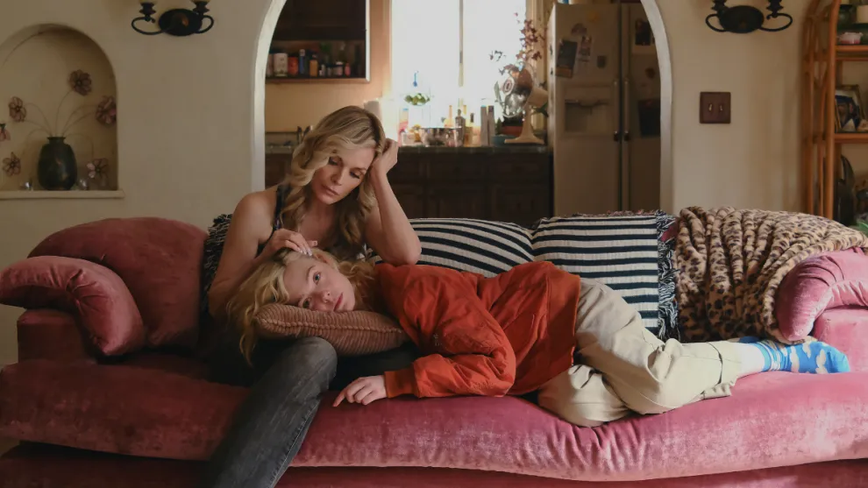
Creator Economy Platforms Become Mainstream Storytelling Material in Television
The adaptation of "Margo’s Got Money Troubles" marks a significant shift where platforms like OnlyFans are no longer fringe topics but central narrative drivers in prestige television. What was once considered controversial or niche is now being explored with nuance, humor, and emotional depth. This reflects a broader cultural normalization of digital income streams and creator-led economies. By bringing these themes into scripted storytelling, creators like David E. Kelley are reframing how audiences perceive online work and identity. Ultimately, this trend signals the integration of internet culture into mainstream entertainment narratives.
“The digital economy is not just a backdrop, but a core element driving the stories we tell today,” says a media expert.
From Taboo Digital Work to Complex, Character-Driven Storytelling
"Margo’s Got Money Troubles" explores the realities of a young woman navigating financial instability and turning to platforms like OnlyFans as a means of survival. Rather than sensationalizing the subject, the show positions it within a broader story about family, ambition, and economic pressure. This approach humanizes digital labor, presenting it as part of a complex social and financial landscape. The involvement of established creatives like David E. Kelley and Eva Anderson further elevates the narrative into prestige territory. As a result, taboo subjects are being reframed through empathetic, character-driven storytelling.
Cultural Relevance, Economic Reality, and Narrative Complexity Driving Adoption
Several key drivers are pushing this trend forward: the rise of the creator economy as a cultural force, the normalization of platforms like OnlyFans, and the demand for socially relevant storytelling. These factors reveal a shift toward narratives that are grounded in real-world digital experiences and economic realities. By exploring financial struggles and side hustles, shows like "Margo’s Got Money Troubles" tap into audience interest in "real-life" digital experiences, blending comedy and drama for a dramedy format that is both entertaining and thought-provoking.
Entertainment Is Integrating Digital Reality Into Mainstream Narratives
This trend shows that television is catching up to the realities of how people live and earn today. It matters because it legitimizes previously stigmatized forms of work through storytelling. The value lies in relatability and cultural relevance, making stories more engaging and authentic. Looking ahead, more shows will explore digital economies as core narrative themes rather than side topics.
Why The Trend Is Emerging: Digital Work Normalization and Economic Anxiety Drive Narrative Relevance
The rise of stories centered around platforms like OnlyFans is driven by the normalization of digital work as a legitimate income stream. As more individuals turn to online platforms for financial stability, audiences are increasingly familiar with these ecosystems and more open to seeing them represented on screen. This shift allows creators like David E. Kelley to explore these themes with greater nuance and authenticity. At the same time, storytelling is evolving to reflect real-world economic pressures, where traditional career paths are less stable and alternative income sources are more common. As a result, narratives grounded in financial struggle and unconventional work feel more relatable and timely.
Categories:

Author: Riley
Popular


Trending topics

Riley