Our Latest News


Biphobia In The Spotlight: Unpacking Internet Jokes And Real-Life Impacts
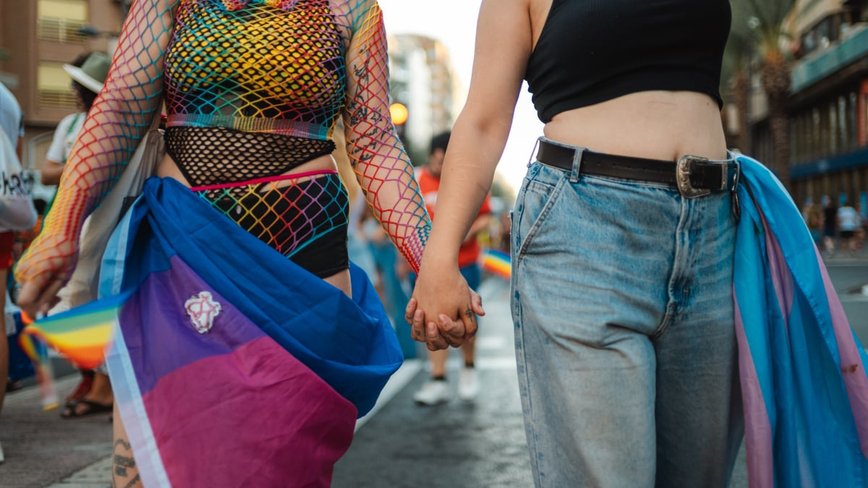
Bi Women: Internet's Pride Punching Bag?
Pride Month, a time of celebration and support, has unfortunately also become a predictable period for online comedians to target bisexual women, especially those dating men. As Anna Iovine, associate editor at Mashable, points out, these jokes aren't just stale – they highlight ongoing stereotypes and stigmas surrounding bisexuality.
“As a bi woman, I clench every time Pride approaches because I know these jokes are coming. They're not only tired at this point, but they also signal that stereotypes and stigmas about bisexual people haven't changed.”
Iovine emphasizes that while cis bisexuals may not face the same level of oppression as other LGBTQ groups, like trans individuals, the repetition of these jokes year after year signals a persistent issue that needs addressing.
The Harmful Stereotypes and Their Impact
Stereotypes such as bisexuals being greedy, hypersexual, or untrustworthy have real-life consequences beyond online banter. These misconceptions impact mental health and increase vulnerabilities to intimate partner violence. The 2022 Depp v Heard trial highlighted how bisexuality can be weaponized, with Amber Heard facing scrutiny based on her sexual orientation.
Rebecca Bodenheimer noted how Heard's bisexuality was used against her, echoing the stigmas bisexual individuals encounter, saying, "[Heard's] bisexuality was weaponized against her during her 2016 divorce from Depp, with media suggesting she was untrustworthy and had cheated on him due to her sexuality."
Why Biphobia Persists
The persistence of biphobia is partly due to a tendency to categorize people into neat boxes, struggling with life's nuances. This mindset fuels both biphobia and transphobia, as seen in the disdain for those who don't fit traditional molds. Misogyny also plays a role, with bi women often targeted more than bi men, reflecting deeper societal issues regarding gender and sexual orientation.
As bisexual writer Zachary Zane suggests, visibility can be tricky for bisexuals, often misconstrued if not actively claimed. Instead, he advocates for "bisexual audibility" – the act of coming out and asserting one's identity. While it may come off as annoying when correcting assumptions, it's crucial for bisexual individuals to establish their place within the LGBTQ community.
The conversation around biphobia needs to continue, not just during Pride Month but throughout the year, to foster a more inclusive and understanding society.
Categories:

Author: Chase
Popular


Trending topics

Chase