

Valentina Shevchenko Fires Back At Ronda Rousey’S Onlyfans Comments
Ronda Rousey’s Controversial Remarks
Ronda Rousey recently stirred the pot with some pointed comments about the UFC, zeroing in on the issue of fighter pay. She highlighted how some fighters are finding financial relief through platforms like OnlyFans. In her remarks, she unexpectedly threw shade at Valentina Shevchenko, the reigning UFC women’s flyweight champion, suggesting that even top champions might resort to adult content to make ends meet. Rousey criticized the UFC's compensation practices, saying fighters are living in "poverty-level fighting full-time."
“It’s why so many of their top athletes are leaving to go and find pay elsewhere.”
Valentina Shevchenko’s Response
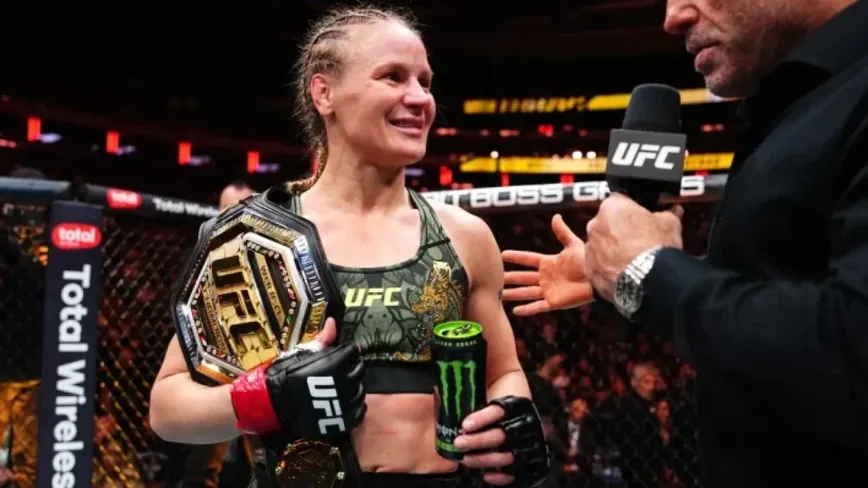
Valentina Shevchenko didn't take long to respond to Rousey's remarks, swiftly taking to social media to defend herself and fellow fighters. She confidently stated, “It’s 2026. Fighters using OnlyFans is just a new way to connect with fans.” Shevchenko also couldn't help but jab back at Rousey, pointing out, “Looks like Ronda slept too long after her last fight in 2016.” Her response not only defended the legitimacy of fighters using platforms like OnlyFans but also played on Rousey’s absence from the fighting scene.
Shevchenko’s Achievements
Since joining the UFC roster in 2015, Shevchenko has carved out an impressive career. She has held the UFC women’s flyweight championship title twice, demonstrating her dominance in the sport. Ranked as the No. 1 pound-for-pound women’s fighter, Shevchenko is a force to be reckoned with, both inside and outside the octagon.
The Context of Rousey’s Criticism
Rousey's critique comes at a time when she is ramping up for her anticipated return to the ring against Gina Carano, set for May 16. Known as one of the UFC's biggest stars in her heyday, Rousey has been increasingly vocal about her dissatisfaction with the UFC's pay structure. Her sudden pivot to criticize the organization raises eyebrows regarding her timing and motives, especially as she prepares for a significant comeback.
Conclusion
The clash between Rousey and Shevchenko has ignited discussions around fighter pay and the evolving landscape of how athletes connect with their audience. As these prominent figures weigh in, their voices may very well influence the ongoing dialogue about the economics of the sport.
Categories:

Author: Riley