Our Latest News


Unmasking The Shadows: Filipino Workers At Risk In Shady Onlyfans Agencies
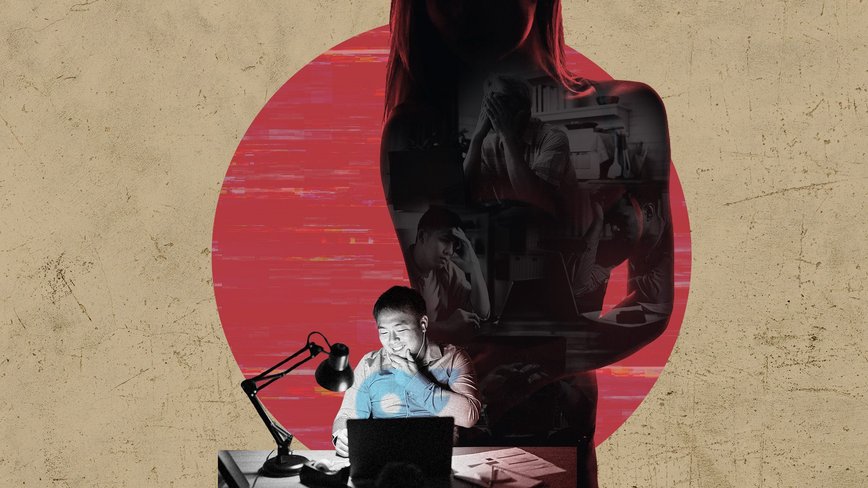
A Glimpse into the Dark Side of OnlyFans Agencies
Anna, a video and photo editor for a management agency tied to OnlyFans, thought she had found her dream job. With a flexible schedule and a hefty paycheck, it seemed too good to be true. However, the reality soon turned sour as unsolicited messages and harassment from her male colleagues started pouring in. Anna, the only Filipina in a male-dominated team, faced daily torment with inappropriate jokes and demands for nude photos.
“One rape joke was like: ‘If ever our boss would fly you out to come and visit the company, we would lock you up in the pantry room here and we would all take turns fucking you,’” she narrated to Rappler.
Despite the harassment, Anna reported the behavior, prompting her "nice guy" boss to fire the offenders and compensate her financially. Yet, the experience left a scar, and Anna remains cautious yet tempted by the lucrative offers of similar roles.
The Broader Exploitative Landscape
Anna's story is not unique. Kara, a chatter at another agency, faced her own set of challenges with low pay and high demands, struggling to meet productivity targets for a mere $2 an hour. Many workers like Anna and Kara find themselves trapped in toxic environments fostered by vague employment terms and a lack of regulation.
Former employees of renowned agency Unruly Agency have filed lawsuits for abuses ranging from unpaid wages to emotional distress. These cases highlight the absence of legal protections for workers in the OnlyFans ecosystem, leaving them vulnerable to exploitation by agencies that label them "independent contractors" to dodge liabilities.
Navigating a Male-Dominated Industry
The influence of figures like Andrew Tate, infamous for his dubious business models, looms large over these agencies. Many instructional materials on running these businesses are male-driven, often ignoring the emotional and physical costs borne by the workers, predominantly women.
Sociologist Ash Presto points out that while many women choose this line of work for its financial benefits, the lack of legal safeguards exacerbates their vulnerability. With men often dominating managerial roles, power dynamics skew heavily against female workers, making organizing and advocacy crucial in addressing these systemic issues.
Organizing for Change
Labor groups stress the importance of collective action to protect these "dark gig" workers. By exposing the systemic problems and advocating for policy changes, workers can push for better conditions and accountability. Despite the challenges, the path forward involves increasing visibility and using international labor standards to hold agencies accountable.
Until substantial legal frameworks are established, Filipino workers in this precarious industry must navigate a risky job market, often left to fend for themselves in a world where silence reigns as the default.
Categories:

Author: Daiana
Popular


Trending topics