


Under The Spotlight: Do Women Face More Scrutiny In Public Life?
The Double Standard Dilemma
It's a scene that's all too familiar for women across various fields – from politics to entertainment. Criticism, often unwarranted and harsh, lingers like a shadow. Shrugging it off may seem easy, but the weight of such scrutiny doesn't just disappear with a dose of common sense.
Unwanted Attacks and Misogyny
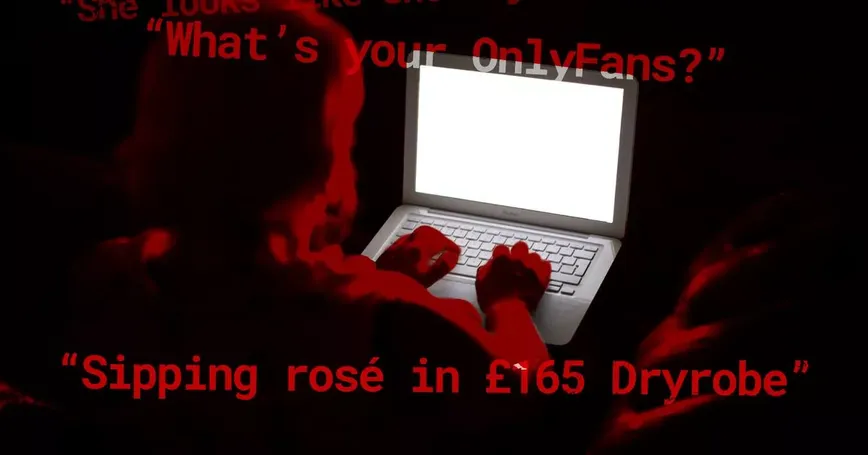
Consider the barrage of offensive comments that female journalists face. Phrases like "What's your OnlyFans?" or "Try grooming yourself at least a little" are just a taste of the unsolicited abuse. Many women in public roles wonder why they are so frequently monitored, scrutinized, and criticized, often feeling held to a higher standard than their male counterparts.
“I’m now of an age where I simply don’t care if some internet crosspatch calls me a mad old boiler.”
The world of politics paints a vivid picture of this double standard. Remember when Rachel Reeves, the Chancellor, was criticized for showing emotion in the Commons, while male politicians like Matt Hancock and Boris Johnson faced no such backlash for their tears?
From Fashion to Fierce Critiques
Angela Rayner’s experience further highlights the entrenched snobbery and misogyny in public life. Criticized for everything from her accent to her wardrobe, it’s clear that female politicians are judged not just on their policies, but on personal attributes in a way that men rarely are.
Even on a local level, women face sexism and racism, with some even receiving threats. It’s not just the politicians; female reporters also face brutal online criticism for simply doing their jobs. One young journalist shared how her cautious approach to her public persona now dictates even her fashion choices, wondering if men face the same pressures to avoid criticism.
Celebrity Scrutiny
The world of celebrities is no different. Take comedian Sarah Millican, for example, who was trolled for her choice of outfit at the Baftas. Despite loving her dress, the online abuse left her in tears, though she vowed to wear it again if given the chance.
While it’s easy to say "don’t feed the troll," the reality is that the anonymity of social media often emboldens critics. Yet, sometimes, revealing the person behind the screen can change the narrative, as one journalist discovered when she received an apology after explaining her early morning reporting situation to a troll.
Ultimately, the burden of criticism for women in the public eye remains a heavy one, reflecting a societal issue that requires continuous discussion and reflection.
Categories:

Author: Daiana
Popular


Trending topics