
Our Latest News


Trump'S Fiery Words: High Stakes And Rising Tensions With Iran
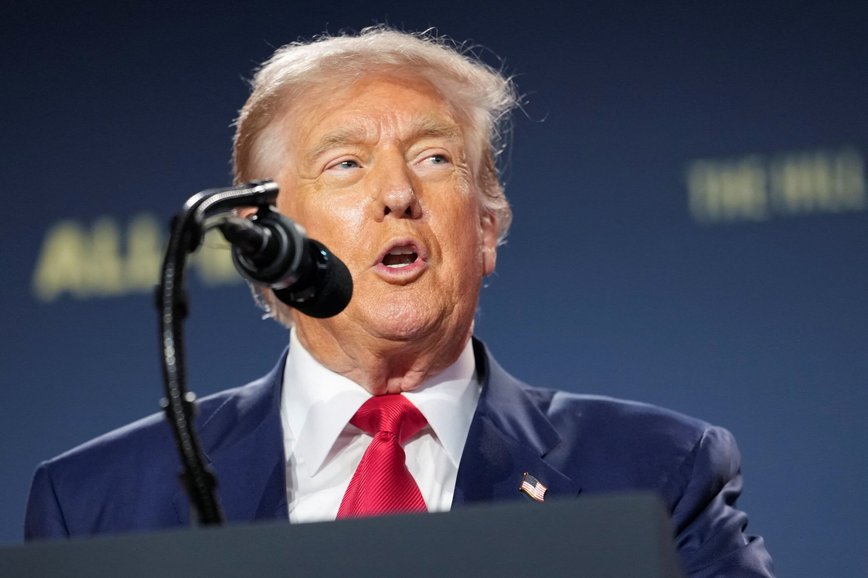
Trump's Bold Stance Amid Middle East Turmoil
US President Donald Trump has made it clear that he’s ready to take drastic measures if Iran doesn't come to the negotiating table. As tensions in the Middle East continue to escalate, the White House announced on Wednesday that Trump is prepared to "unleash hell" unless Iran agrees to a deal to end the nearly four-week-long conflict. Despite these aggressive warnings, Iran remains steadfast in its refusal to negotiate.
The situation across the region remains volatile, with violence affecting countries including Iran, Israel, Lebanon, and Saudi Arabia. Trump, however, seems convinced that Iran is interested in finding a peaceful resolution, despite Tehran's outright denial of any such intentions. During a dinner with Republican members of Congress, Trump confidently stated, "They are negotiating, by the way, and they want to make a deal so badly. But they’re afraid to say it."
“They are negotiating, by the way, and they want to make a deal so badly,” Trump told a dinner for Republican members of Congress.
Tehran's Firm Stance
Iranian Foreign Minister Abbas Araghchi has firmly rejected any claims of negotiations with the US, emphasizing that indirect exchanges through "friendly countries" do not equate to formal discussions. "We do not intend to negotiate," Araghchi asserted on state television, highlighting Iran's desire to end the conflict on its own terms.
Meanwhile, Pakistan has reportedly relayed a 15-point American proposal to Tehran aimed at defusing tensions. But Iran, standing its ground, has rejected this offer, insisting that any resolution must be on its conditions, which include assurances against future attacks.
A Region on Edge
The prospect of further military action looms large, with the US deploying additional troops to the region. Iran has countered with threats of its own, warning it could escalate the conflict by targeting Red Sea shipping if the US initiates a ground invasion. In a show of military strength, Iran's military has claimed responsibility for forcing the USS Abraham Lincoln carrier group to reposition with cruise missile strikes.
The situation has drawn international concern, with UN Secretary-General Antonio Guterres warning that the conflict is "out of control". The focus remains on key maritime routes, especially the Strait of Hormuz, which Iran has largely obstructed, causing a surge in global energy prices. With both sides refusing to back down, the world watches anxiously as the stakes continue to rise.
Categories:

Author: Riley
Popular


Trending topics

Riley