Our Latest News


The Dark Side Of Deepfakes: Exploiting Disabilities For Profit - Fresh Celebrity News 2025
Unveiling the Exploitation
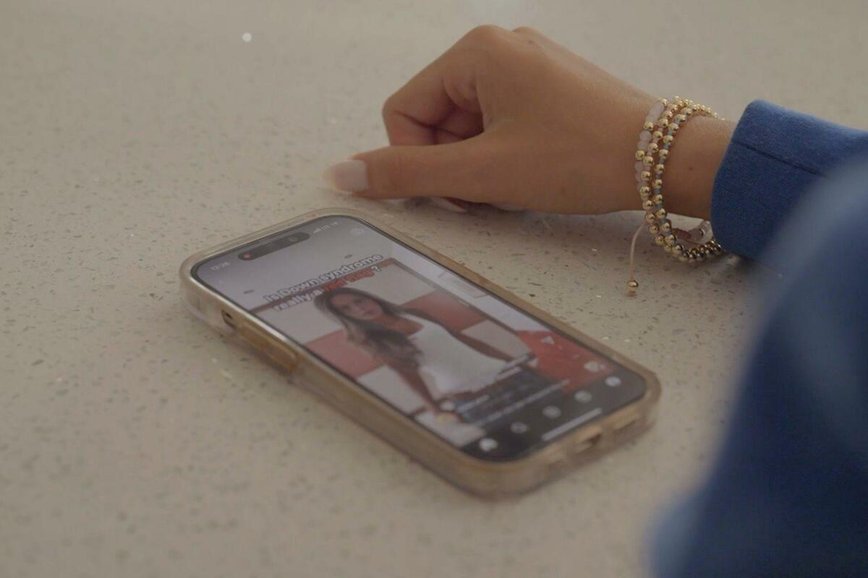
In a shocking expose, investigative journalists have uncovered a disturbing trend in the world of social media: the use of artificial intelligence to create fake profiles that appear to have disabilities, all for profit. The unsettling practice involves altering images to make individuals look like they have Down syndrome, using these falsified images to lure unsuspecting followers to explicit content.
Alice, a 17-year-old victim, shared her harrowing experience with the BBC, explaining how her likeness was manipulated without consent. "I was shocked and felt humiliated," she confessed. Despite her repeated pleas to have the fake account removed, her requests were ignored, leaving her feeling violated and helpless.
The AI Ethics Debate
Senior researcher Eleanor Dredge from the University of Cambridge has pointed out the ethical implications of this trend. "These accounts are taking data about women without their permission and using it to turn them into disabled people, which they then use to make money," she explained. This exploitative behavior not only harms those whose images are stolen but also disrespects the community of individuals with disabilities.
Further investigation by the BBC exposed the involvement of self-proclaimed "AI-generated content managers" like a French manager named Dorian. His tutorials on creating niche market influencers using AI have raised red flags about the commodification of disabilities for financial gain.
Platform Responses and Consequences
The BBC's investigation prompted responses from major platforms. YouTube terminated Dorian's channels for violating policies on spam and deception, while Meta, the parent company of Instagram, removed nearly all reported accounts for policy violations. OnlyFans, another platform mentioned in the investigation, assured that thorough identity checks are conducted, emphasizing their commitment to ethical content standards.
Despite these efforts, the damage done to individuals like Alice and the broader community remains profound. American activists Jeremy and Audrey, who advocate for the rights of people with Down syndrome, expressed their dismay. "Because of this deepfake content, I feel like I'm being taken advantage of," Jeremy lamented. Their heartfelt plea for change underscores the need for greater accountability and respect in digital spaces.
Categories:

Author: Chase
Popular


Trending topics

Chase