
Our Latest News

![Discover the Hottest Indian OnlyFans Creators Worth Subscribing To [UPDATED]](/media/images/best-indian-onlyfans-accounts-i-foun.2e16d0ba.fill-80x80.png)
The Creator Economy: Bigger Than You Think And Taxing Side Hustles
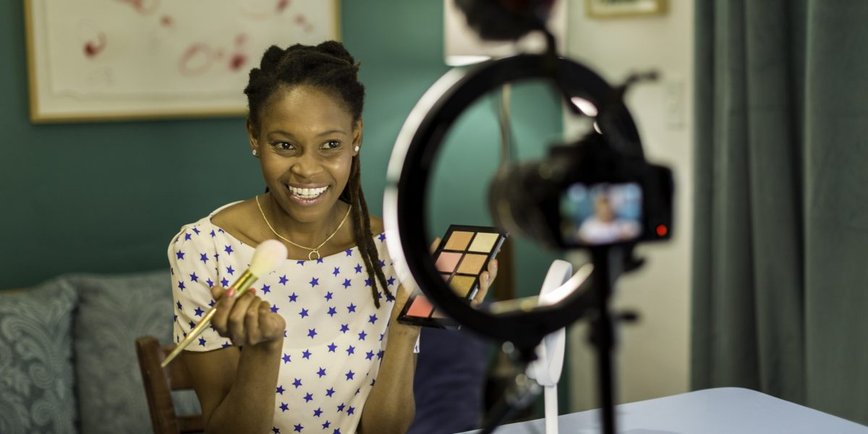
Unveiling the True Scale of the Creator Economy
The world of side hustles is buzzing, and it might just be larger than we ever imagined. Paul Donovan, chief economist at UBS Global Wealth Management, suggests that fiscal authorities and statisticians have long underestimated the economic impact of different side hustles. In a recent Financial Times op-ed, Donovan highlights a significant milestone: an analysis from WPP Media predicts that by 2025, content created by influencers will command a similar share of global advertising revenue as radio and newspapers.
“Advertising revenues are not flowing to traditional platforms,” Donovan wrote. “To get a message across in the modern world, you need to find a 15-year-old with a smartphone and a nice set of dance moves.”
While some influencers can sustain themselves entirely through their online ventures, most creators are likely earning extra income. The creator economy opens doors for a broader audience - musicians, for instance, can now bypass traditional record labels by releasing music on streaming platforms. This democratization of content creation allows anyone with something to sell to find customers online without the hefty costs associated with physical shops.
The Complexities of Measuring and Taxing Side Hustles
Measuring the economic impact of the creator economy isn't straightforward. As Donovan notes, the term "social media influencer" isn't officially recognized in labor force surveys, leading to underreported growth. The predominance of e-commerce in this space offers side-hustlers a vast market with minimal overheads. However, many data gatherers still focus more on large stores than small online sellers, skewing total consumer spending figures.
Another challenge is taxing side-hustle income, which is increasingly problematic for fiscal authorities. Often, the cost of taxing small businesses outweighs the revenue, allowing sole proprietorships to claim tax exemptions. Yet, as Donovan warns, fiscal authorities might need to reassess these tax-free allowances, similar to reevaluations of small package tariff exemptions.
The Controversial "Sin Tax" on OnlyFans
This issue is heating up in Florida, where a Republican gubernatorial candidate proposed a 50% "sin tax" on OnlyFans creators to combat "cultural degeneracy." This proposal has sparked backlash, notably from content creator Sophie Rain. In an interview with People magazine, she dismissed the idea as "the dumbest thing I've ever heard of."
“No one ever forced me to start an OnlyFans, it was MY decision, so I don’t need a 31-year-old man telling me I can’t sell my body online,” she said. “I am a Christian, God knows what I am doing, and I know He is happy with me. That’s the only validation I need.”
As the creator economy continues to evolve, it's clear that discussions around its regulation and taxation will only intensify. Whether it's tapping into new revenue streams or navigating evolving fiscal landscapes, creators and fiscal authorities alike will need to adapt to this dynamic digital marketplace.
Categories:

Author: Chase
Popular


Trending topics

Chase


![Discover the Hottest Indian OnlyFans Creators Worth Subscribing To [UPDATED]](/media/images/best-indian-onlyfans-accounts-i-fo.2e16d0ba.fill-117x110.png)