
Our Latest News

Russ Meyer'S Unapologetic Art: From Erotica To Satire
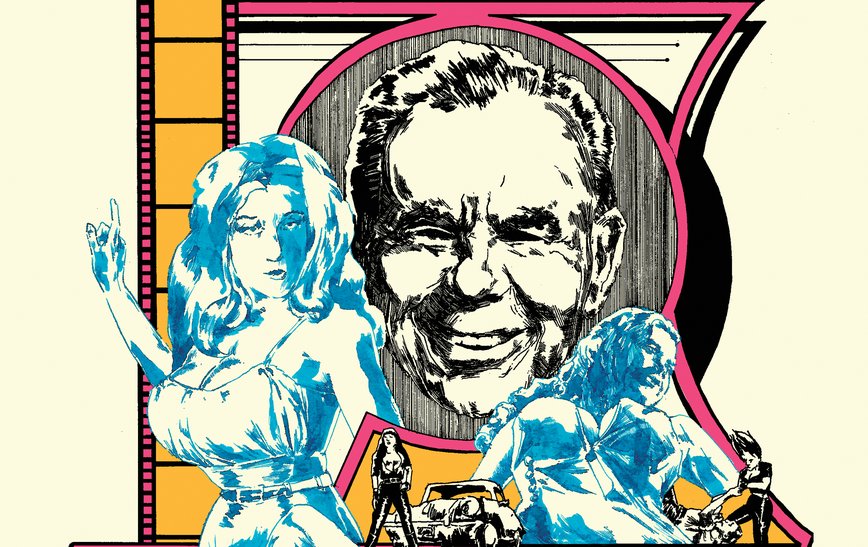
Sex, Cinema, and the Modern Debate
In the ever-evolving landscape of cinema, one debate stubbornly persists: is there too much sex in movies? Ironically, despite what some might say, sex scenes are less frequent in our films than they were decades ago. Yet, while audiences squirm at mainstream sex scenes or the sultry image of popstar Sabrina Carpenter, many indulge privately in explicit content on their smartphones. This paradoxical dance between prudishness and permissiveness echoes the feminist sex wars of the 1980s and '90s. It’s as if society is caught in a web of conflicting attitudes, where sexuality is seen as either objectification or empowerment, depending on who’s involved.
As Madison Huizinga aptly points out, this confusion stems from an "inability to parse sex and sexuality from objectification," leading all discussions of sex to collapse under a single, clumsy definition. With mainstream culture further distancing itself from eroticism, the world of porn seems worlds apart from conventional cinema. Yet, it wasn’t always this way. In the '60s and '70s, as censorship relaxed, the line between art and adult entertainment blurred, creating a unique environment where directors like Russ Meyer could flourish.
“Films should run like express trains!” Meyer once exclaimed, encapsulating his vibrant, unapologetic approach to filmmaking.
The Artistry of Russ Meyer
Russ Meyer, often dismissed as a mere provocateur, was much more than a purveyor of prurience. His films, known for their bold visuals and unique narrative style, demonstrated an artistry that transcended their low budgets and risqué subject matter. Meyer's background as a World War II combat cameraman and Hollywood photographer honed his eye for detail, enabling him to craft films with technical precision reminiscent of auteurs like Stanley Kubrick.
Meyer's work was at once larger-than-life and deeply personal. His films, filled with strong women and flawed men, reflected his own experiences and relationships. As Roger Ebert noted, Meyer was not the amateur artist he sometimes pretended to be; his films were meticulously crafted, and his actors remembered the endless reshoots more than the scenes themselves.
Political Satire and Social Commentary
Beyond their surface-level sensationalism, Meyer’s films often carried a political edge. Take "Vixen!" for example. On its face, it might appear to be a simple tale of a nymphomaniac, but beneath the surface lies a critique of racial and political tensions during the Cold War era. Erica Gavin’s character, Vixen, is both a provocateur and a mirror to the hypocrisies of the time, engaging with themes of racism and anti-communism with boldness and nuance.
Meyer’s films like "Faster, Pussycat! Kill! Kill!" and "Beyond the Valley of the Dolls" have been 'edited by history,' finding new meanings and audiences as societal perspectives evolve. What was once seen as exploitation is now recognized for its camp and subversion, echoing the sentiments of critics like B. Ruby Rich and Vito Russo.
The Enduring Legacy of Russ Meyer
Films like "Supervixens" showcase Meyer's knack for blending mythic storytelling with a critique of toxic masculinity, challenging viewers to reconsider their perceptions of gender and power. His characters, from the macho Harry Sledge to the virtuous Clint, embody the extremes of masculinity, highlighting Meyer's insightful commentary on societal norms.
Russ Meyer’s legacy is one of contradiction and complexity, where the line between art and trash blurs into something uniquely delightful. His films invite us to question our preconceptions and embrace the audacious, the outrageous, and the unapologetically bold.
Categories:

Author: Daiana
Popular


Trending topics