
Onlyfans Stars Fire Back At Florida Governor'S 'Sin Tax' Idea
OnlyFans Creators Stand Their Ground
Florida's gubernatorial candidate, James Fishback, has stirred up quite the controversy with his proposal for a hefty 'Sin Tax' targeting OnlyFans content creators. Suggesting they should face a tax as high as 50% if they reside in Florida, Fishback claims this would help fund schools while also discouraging adult content creation. However, many creators see this as a thinly veiled attempt at public shaming, rather than genuine public policy.
“I don’t like James Fishback demonizing a group of people and taking what they create and using it to lift yourself up and make yourself seem like a better person,” Crystal Rose candidly expressed in a viral video.
Creators Speak Out in Viral Video
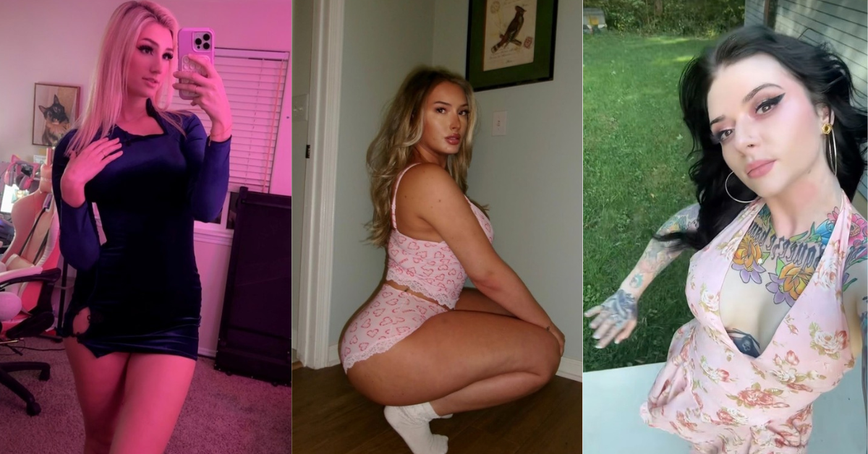
In a fiery Instagram video, popular creators MsRedsWrenching (Kirsten Vaughn), Crystal Rose, and Ariana Nicole shared their unfiltered thoughts on the proposal. They argue it's not just an attack on their profession but a misunderstanding of the realities faced by those in the industry. Crystal Rose was particularly vocal, pointing out the flawed logic behind the proposal.
Backwards Logic and Misconceptions
Ariana Nicole highlighted the everyday financial struggles many creators face, countering the stereotype that they all rake in enormous sums. She warns that such a tax would harm families relying on this income. “Most girls don’t even make more than like $5,000 a month,” she noted, challenging the notion that creators can easily handle such financial burdens.
Economic Implications
MsRed, another voice in the conversation, brought an economic perspective. She emphasized that while creators can still work in Florida, they might choose to relocate, taking their tax contributions with them. "They're just not going to live in your state and pay your state tax," she explained, voicing a practical concern about the proposal's potential fallout.
Critics Voice Broader Concerns
Critics argue that the proposed tax won't curb adult content creation but will likely drive creators out of Florida. They assert that it risks harming middle-income earners and reinforcing negative stigmas surrounding sex work. The debate underscores a broader conversation about the lack of traditional workplace protections for many in the industry, highlighting that there's more at stake than just money.
Categories:

Author: Riley
Popular


Trending topics

Riley