Our Latest News


Lucy Letby Documentary: Seven Controversial Points Stirring The Discussion
Netflix Documentary Reopens Lucy Letby Case
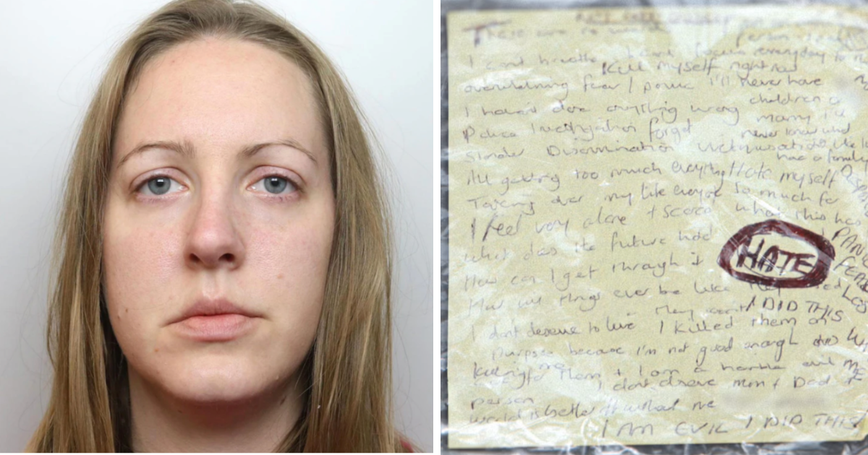
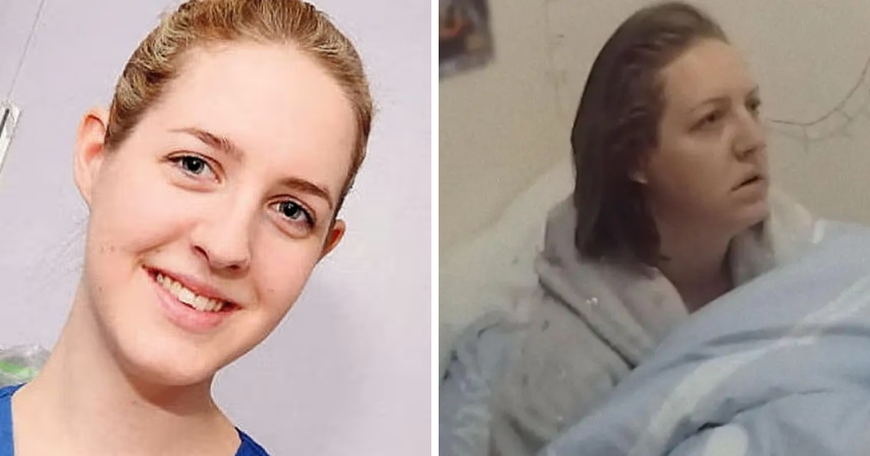
Netflix's new documentary, "The Investigation of Lucy Letby," is taking viewers back to one of the UK's most talked-about criminal cases, where former neonatal nurse Lucy Letby was convicted of seven murders and six attempted murders. The film brings together voices from both sides, questioning whether the verdict was just.
Some contributors in the documentary argue that Lucy Letby was wrongly held responsible for problems at the Countess of Chester Hospital. Others firmly believe the jury made the right call based on the evidence they saw. The film also includes criticism from Letby's parents about the use of arrest footage from inside their home, a decision the filmmakers stand by.
Key Evidence and Arguments
A Rota and a Handwritten Note
A significant point of contention is the hospital staff rotas, which prosecutors used to show Letby was present whenever a baby’s condition worsened or a death occurred. Legal commentators in the documentary suggest that this narrative strongly swayed the jury. Yet, another voice in the documentary proposes her frequent presence was due to her experience and commitment to extra shifts.
A handwritten note by Letby, bearing the words "I killed them on purpose because I am not good enough," has been one of the most debated pieces of evidence. In police interviews featured in the film, Letby claims she wrote the note during a tough emotional time after being reassigned from the neonatal unit and while receiving counseling.
“The defence did not present expert testimony to offer alternative explanations for the note’s meaning," a friend of Letby insists in the film.
Mortality Rates and Medical Evidence
After Letby was removed from clinical duties, police noted a decline in serious incidents. However, the documentary points out that the neonatal unit was downgraded afterward, potentially affecting patient outcomes. The intricate medical testimony at the trial, as described by criminal barrister Mark McDonald, might have been challenging for the jury to fully comprehend.
Insulin Cases and Sensitive Documents
The film highlights two insulin cases used as critical evidence in court. The prosecution claimed Letby’s signature was found on nutrition bags tainted with insulin. Though Letby admitted unnecessary insulin was administered, she denied any involvement, with her defense arguing there was no direct evidence linking her to the tampering.
During a police raid, numerous confidential handover sheets were discovered in Letby’s home. She explained to investigators that these were taken by mistake and not destroyed due to the lack of a shredder.
Expert Panels and Personal Testimonies
The documentary introduces a panel led by McDonald, featuring Dr. Shoo Lee, which revisits the case's findings. Dr. Lee’s panel suggests possible misdiagnoses and staffing issues could have influenced the outcomes. However, a hospital consultant counters this, noting prior staffing shortages did not coincide with similar spikes in fatalities.
For the first time, a bereaved mother shares her story on camera, recounting the heartbreaking experience of losing her baby and the unexpected turn of events. Medical experts in the documentary continue to explore the mysterious circumstances surrounding the child’s tragic decline.
Stay tuned to Netflix for more thought-provoking documentaries, and join the discussion on The Holy Church of Netflix on Facebook.
Categories:
Author: Chase
Popular


Trending topics
Chase