
Our Latest News


Is Generation Z Rediscovering Faith In Catholicism?
The Rise of the iGen
Twenty-one years ago, Apple’s visionary leader Steve Jobs introduced the world to the iPhone, proclaiming it as a revolutionary product destined to change everything. Fast forward to today, and his prediction couldn’t be more accurate. This tech marvel birthed the ‘iGen’ – a term coined by Dr. Jean Twenge, a psychology professor at San Diego University, to describe the generation born into the era of smartphones and social media. Welcome to Generation Z, those born between 1995 and 2012, who are more connected than ever but also more isolated and anxious.
Unlike their millennial predecessors, Generation Z is redefining norms – they are less inclined towards traditional social behaviors like pub culture or casual relationships, instead embracing gender fluidity and online interactions. A staggering 4% of Gen Z women are even turning to platforms like OnlyFans to express themselves, a testament to their unique navigation of adulthood. Despite this, a surprising trend is emerging as these digital natives use their devices to explore faith, with many discovering Catholicism.
A Surge in Faith
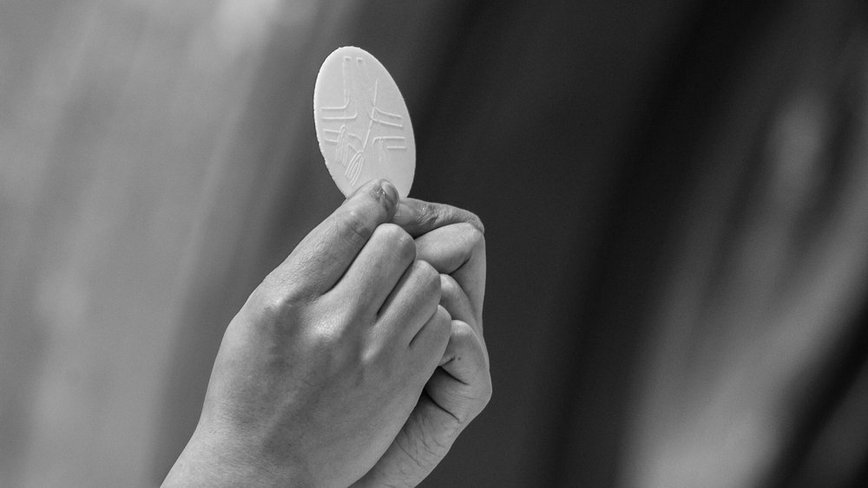
This Easter, Catholic churches across Britain are welcoming a record number of new converts, most of whom are under 30. In London alone, the influx is significant, with over 1,400 new members compared to 1,000 the previous year. This trend isn’t confined to the UK. France, the US, Canada, and Australia are witnessing similar spikes in young adults embracing Catholicism.
“We notice that large numbers who join us are young men,” remarks The Most Rev Mark O’Toole, Archbishop of Cardiff-Menevia, noting that they are drawn to the Church’s coherence and consistency.
These new converts are mostly from households long separated from religious traditions, exploring and learning through platforms like Bishop Robert Barron’s Word of Fire. Many find themselves aligning more with traditional Catholic teachings than those who were raised in the faith.
A Global Phenomenon
As the Catholic faith sees a renaissance among young adults, the overarching religious landscape continues to shift. The 2021 census showed a decline in self-identified Christians in England and Wales, with a rise in those claiming no religion. Despite this, the Catholic Church appears to be regaining ground among younger demographics. A study called The Quiet Revival highlighted that among Generation Z and younger millennials, Catholics now outnumber Anglicans two to one.
Contrarily, countries like Germany face a decline in church attendance, with more people identifying as non-religious. Yet, there remains hope that the fervor of Generation Z might eventually reverse these trends, as they search for meaning beyond the promises of secularism.
Categories:

Author: Riley
Popular


Trending topics

Riley