
Our Latest News


Inside The Onlyfans Operations: How Filipino Workers Are Powering Adult Content
The Unexpected Career Path
On a scorching summer day in 2023, Anna, a college student, stumbled upon an online job that transitioned her from editing food reels to enhancing adult content. Initially tasked with piecing together suggestive skits and beautifying photos, her roles quickly evolved into full-fledged adult content editing. The pay was enticing, ranging from P500 to P3,000 per photo or video edit, a significant leap from her original earnings.
“As long as it’s good pay, why not, right?” Anna told her boss.
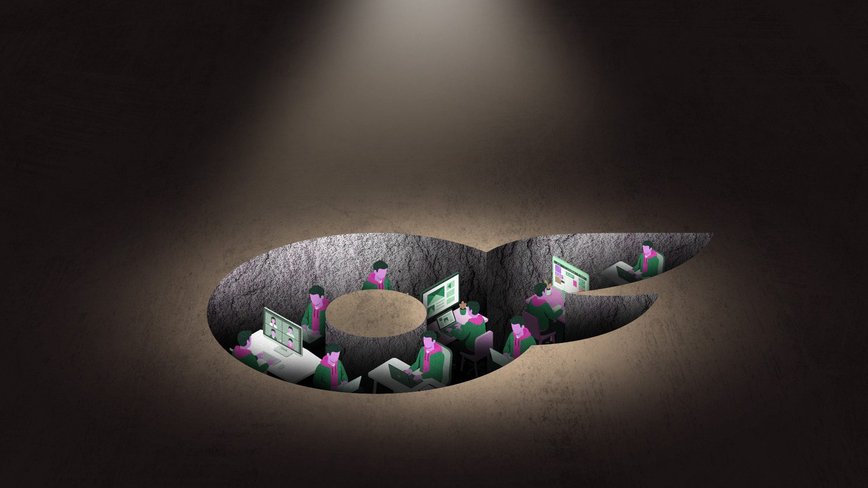
Anna's story is part of a larger ecosystem where Filipino workers create, polish, and sell explicit content on behalf of foreign models. Managed by third-party agencies, these creators rely on Anna's expertise to perfect their content, illustrating a lucrative production cycle that's surprisingly thriving in the Philippines.
The Role of Chatters
Enter Kara, a 26-year-old chatter who joined this intriguing world in 2025. Her task was to engage subscribers by impersonating OnlyFans models, a job that involved building rapport and eventually selling exclusive content. With an hourly rate of $2 and a 5% commission on content sales, Kara found herself navigating a complex job that required both creativity and stamina.
Despite the challenges, Kara’s work was pivotal in sustaining the agency’s revenue. However, the demanding nature of the job eventually pushed her to seek opportunities elsewhere, yearning for a role that offered both better pay and a more suitable environment.
A Hidden Industry
While the agencies managing this adult content production might seem elusive, they have become a staple in the OnlyFans ecosystem, especially in Western countries. Emerging during the pandemic, these agencies seized the opportunity presented by lockdowns, crafting a business model that capitalizes on the skilled yet affordable Filipino workforce.
The allure of high earnings and flexible work draws many Filipinos into this industry. However, the lack of protection for individuals like Anna and Kara, whose livelihoods depend on maintaining the illusion for paying audiences, raises pressing questions about the sustainability and ethics of this hidden economy.
As the industry continues to evolve, it leaves in its wake a trail of workers navigating the delicate balance between financial gain and personal comfort in a job market that offers limited options.
Categories:

Author: Riley
Popular


Trending topics

Riley