


Influencers And Onlyfans Stars: The New Power Players In O-1 Visa Requests
Influencers Redefining the American Dream with O-1 Visas
Content creators and influencers in the U.S. have taken center stage in the realm of O-1 work visas, a category traditionally reserved for those with extraordinary abilities in fields like science and the arts. Recent reports from the Financial Times highlight a staggering 50% increase in these visas granted between 2014 and 2024, signaling a shift in who and what defines exceptional talent in America.
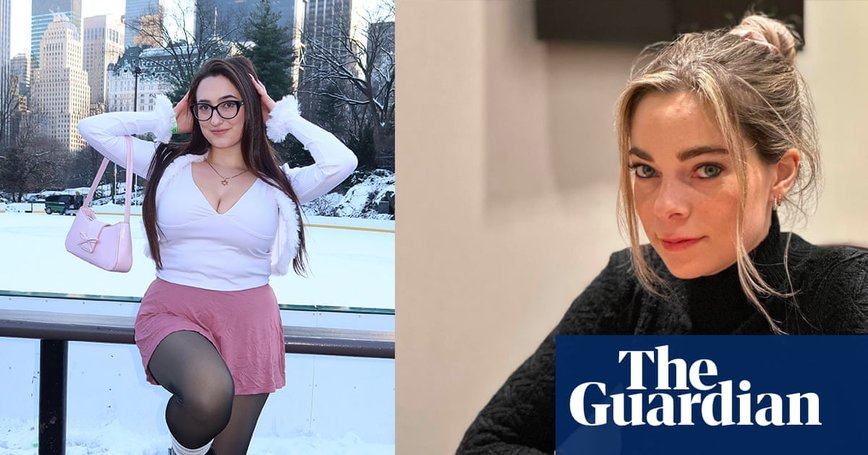
The O-1 visa is split into two categories: O-1A for individuals with exceptional prowess in science, education, business, or athletics, and O-1B for those with remarkable achievements in the arts. The Guardian recently connected with influencers navigating this process, sharing their journeys to securing this coveted visa status.
“Influencers are filling a large gap in the [world’s] retail and commercial interests ... immigration has to keep up,” said Michael Wildes, an immigration attorney.
From Pandemic Pastimes to Lucrative Careers
Julia Ain, a Canadian content creator, began her influencer journey during the Covid-19 lockdowns. What started as a series of TikTok videos quickly snowballed into a thriving career with over 1.3 million followers. "I was bored during the pandemic – like everyone else – and started posting on TikTok," she shared with the Guardian. Her success on platforms like Instagram and TikTok eventually led her to apply for an O-1B visa, which was sponsored by Fanfix, a subscription-based platform where she now earns five figures monthly.
Luca Mornet, another influencer, turned his student days at the Fashion Institute of Technology in New York into a springboard for a successful content career. Originally from France, Mornet found his student visa limiting, but after graduating, he applied for an O-1B visa, leveraging his connections and collaborations within the influencer community.
The New Frontier of O-1B Visas
Immigration attorney Michael Wildes has witnessed the transformation of the O-1B visa landscape firsthand. Originally a tool for Hollywood elites, it now embraces the digital age, welcoming esports players, influencers, and OnlyFans content creators. Wildes, whose firm has represented icons like Sinéad O’Connor and Pelé, now counts social media stars among his clientele.
To secure an O-1B visa, applicants must provide evidence of significant achievements, such as performing in esteemed events or gaining notable recognition. Julia Ain's application showcased her impressive social media metrics, while Dina Belenkaya, a chess player and content creator, highlighted her substantial follower counts across platforms like Instagram and Twitch.
Challenges and Critiques in the Influencer Visa Quest
Not every influencer's journey to an O-1 visa is straightforward. Boy Throb, a viral music group, campaigned to achieve 1 million TikTok followers to bolster member Darshan Magdum's visa application. Despite reaching their goal, the visa’s approval remains uncertain. "Honestly, the entire immigration process has been so complicated," the group expressed, highlighting the financial and emotional toll of their endeavor.
This surge in influencer applications has sparked debate. Some view it as a reflection of "end-stage empire conditions," while legal experts like Wildes argue that the creator economy represents the new American exceptionalism.
Julia Ain defends her profession against skepticism, emphasizing the hard work behind her success. "You might not agree with the way the money is being made, or what people are watching, but people are still watching and paying for it," she stated. "Maybe 50 years ago, this isn’t what people imagined the American dream would look like. But this is what the American dream is now."
Categories:

Author: Chase
Popular


Trending topics
Chase