
Our Latest News


Exploring The Dawn Of The Sexbot Era
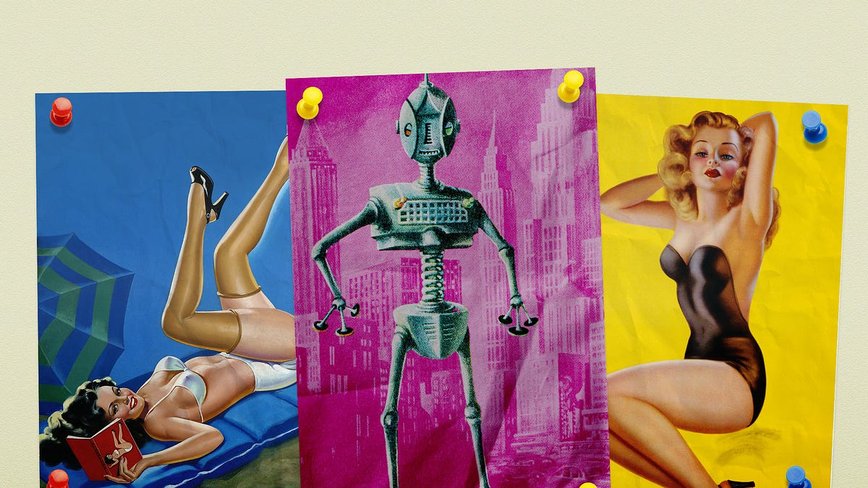
Welcome to the Age of the Sexbot
What if the human touch fades into a relic of the past? This question might not be as far-fetched as it sounds. In our fast-paced digital world, as Kara Kennedy points out, the frequency of human intimacy is dwindling. Dr. Debra Soh has dedicated years to unraveling the reasons behind this phenomenon, culminating in her eye-opening book, "Sextinction: The Decline of Sex and the Future of Intimacy."
The Technological Trade-off
With each technological leap, more people are choosing the ease of online platforms like Instagram, OnlyFans, and YouTube over the complexities of real-life relationships. But Dr. Soh warns us that the true shift is even more concerning. Realistic robotic companions, complete with sensors and artificial intelligence, are stepping out of the realm of novelty and into mainstream society. Particularly among men, these sexbots are becoming not just a substitute for human partners, but a preference.
"Will robots start replacing sex? And, more importantly: Could they begin to replace women?" Dr. Soh poses these thought-provoking questions, urging us to consider the implications.
From Prototype to Popularity
Dr. Soh shares a personal anecdote from her days as a neuroscience PhD student in 2017. A friend sent her a viral video featuring an early sex robot prototype – a silicone head with a wig, awkwardly attached to a broomstick. Despite its rudimentary design and comedic execution, the video captivated audiences, hinting at a burgeoning market for these mechanical partners.
As the appeal of robotic companions grows, it's essential to ponder their potential impact. What does it mean for human relationships if people increasingly turn to these physical substitutes? Dr. Soh's exploration of this topic in "Sextinction" is not just timely, but crucial, as we navigate the future of intimacy in an ever-evolving digital landscape.
Categories:

Author: Riley
Popular


Trending topics

Riley