
Our Latest News


Canoeist Klass Rozentals Swaps Team Gb For Latvia Amid Onlyfans Controversy
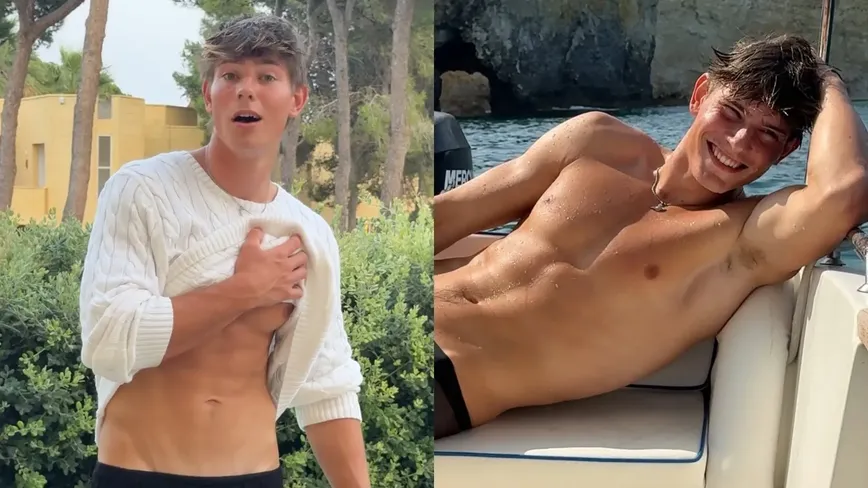
Klass Rozentals Makes a Bold Move
Klass Francisks Rozentals, once a proud member of Team GB, is charting a new course by representing Latvia in his canoe slalom career. This change in allegiance comes hot on the heels of Rozentals' decision to join the OnlyFans platform – a move that sparked quite the debate among sports enthusiasts and officials alike. The talented canoeist turned to this unconventional funding method to sustain his athletic dreams amid increasing financial pressures.
Financial Struggles and the OnlyFans Solution
Rozentals' decision follows a growing trend among athletes who leverage platforms like OnlyFans to support their sporting endeavors. "This is happening to athletes right now. Forced to choose between financial stability or the Olympics," Rozentals candidly shared on Instagram, highlighting the tough choices faced by athletes today. His brother, Kurts Adams Rozentals, previously faced suspension from Paddle UK for his explicit online content – a move that put a spotlight on the financial challenges athletes often face.
A Family Affair
Kurts Adams Rozentals, Klass's brother, made headlines last year when he was suspended for posting explicit content online – a decision that raised eyebrows and discussions about the lengths to which athletes must go to fund their careers. Kurts claimed to have earned a staggering $130,000 in just a few months, dwarfing the $21,000 annual grant he previously received. Meanwhile, Klass decided to follow a similar route, citing the incompatibility of traditional jobs, like bartending and construction, with the rigorous demands of elite-level training.
The Future of Sports Funding
Klass Rozentals' switch to Latvia underscores a larger conversation about athlete funding and the pressures they face. "I can finally afford my dream. But knowing it could be taken away at any time because of how I find it sucks," Rozentals expressed, voicing the uncertainties that linger despite financial relief. With other athletes like British divers Jack Laugher, Noah Williams, and Matty Lee also turning to OnlyFans, the sports world is witnessing a shift in how athletes sustain their careers.
As the debate continues, Rozentals' story serves as a reminder of the evolving landscape of sports funding and the creative methods athletes employ to chase their dreams. The question remains: should sports organizations step up to provide more substantial support, or will unconventional funding become the new norm?
Categories:

Author: Riley
Popular


Trending topics

Riley