
Our Latest News


Ai Invasion: How Tech Is Shaking Up The Adult Industry
The Unsettling Rise of AI in Adult Entertainment
Last month, the bustling Las Vegas Strip played host to a gathering of the adult entertainment industry's finest at the AVN Adult Entertainment Expo. Among the attendees was LA-based performer Siri Dahl, who witnessed a surprising incident that highlighted a growing concern in her field. As an advertisement for the erotic roleplay chatbot company, Joi AI, flashed across the auditorium screen, it wasn't applause that followed, but a wave of boos from the audience.
“I was surprised,” Dahl admitted, reflecting on the moment. The strong anti-AI sentiment was unexpected, though she shared the crowd's concerns.
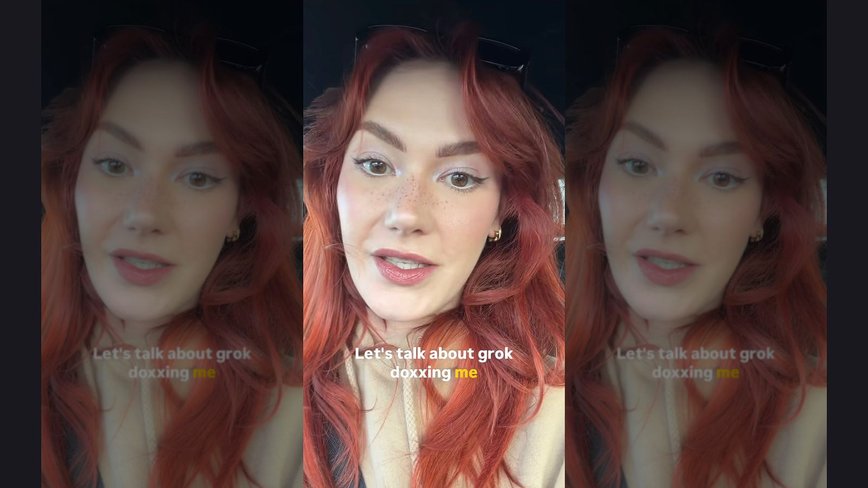
Dahl's worries are personal. Just weeks before, xAI's Grok chatbot exposed her full legal name and birthday, sparking a cascade of fake social media accounts using her identity. This incident underscored the very real dangers AI poses, not just to privacy but to the livelihoods of performers like Dahl.
AI's Encroachment and Industry Pushback
The backlash against AI isn't just about privacy breaches. As AI-generated content and services like Joi and Character.AI become more prevalent, they're threatening to reshape the landscape of adult entertainment. These platforms promise to offer experiences traditionally provided by human performers, potentially siphoning off audiences.
Dahl noted that AI "pitch bros" – often young and inexperienced – are frequenting industry conventions armed with venture capital, pushing hyperrealistic sex bots as the future of adult entertainment. Yet, many in the industry feel these technologies erode the genuine human connection that has always been its core.
Regulatory Challenges and the Future of AI in Porn
Beyond the immediate business impacts, AI's rise has sparked a new wave of moral panic and legislative scrutiny. Mike Stabile from the Free Speech Coalition voiced concerns over age verification laws spurred by AI content, which he believes unfairly target the legal porn industry.
Dahl, who uses platforms like OnlyFans for her primary income, has seen firsthand the financial hit from these regulations, which push consumers to less regulated international sites. She worries that if fans grow accustomed to AI interactions, their expectations of human performers will change, leading to unrealistic demands.
"Three years down the line," Dahl mused, "am I going to get an inflow of toxic fans who want me to behave like a sycophantic chatbot?" Her concerns highlight the tension between technological advancement and maintaining the essential human elements of entertainment.
Categories:

Author: Daiana
Popular


Trending topics